Article
Kiss, Your Virtual Companion Powered by Local AI
Kiss, a fully self-hosted RAG assistant for exploring GREY/WIRED. A look back at this local AI experiment, its technical choices, performance and limitations.

Technical notes, experiments, lessons learned and detailed explanations.
Kiss, a fully self-hosted RAG assistant for exploring GREY/WIRED. A look back at this local AI experiment, its technical choices, performance and limitations.
620 km across Luxembourg on a motorcycle trip planned by ChatGPT. Scenic roads, unexpected detours, and a surprisingly successful experiment.
How far can you go with a local 9-billion-parameter AI model and just 8 GB of VRAM? Tests, reasoning, RAG, Home Assistant, quantization, and a few surprises.
How refusing to spend €99 on a gateway dragged me into 433 MHz, SDR, rolling codes and encryption... only to end up pressing buttons with relays.

A dog walk, a few tense moments, and plenty of observation. A personal reflection on what our dogs learn from us, our responsibilities as owners, and how we might support them better rather than simply trying to control them.
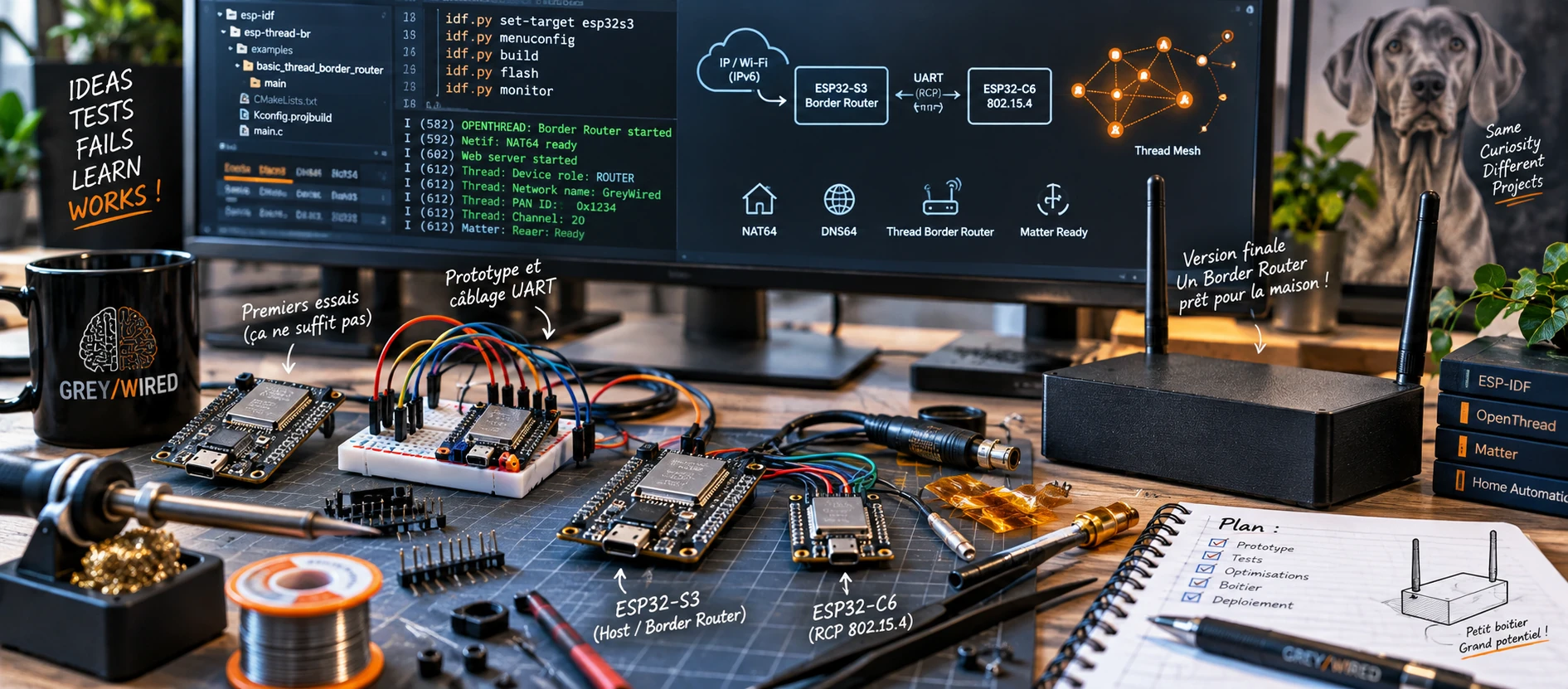
Why build your own Thread Border Router when so many devices already include one? What started as a simple home automation need took me much further than expected: Thread, OpenThread, ESP32-S3, ESP32-C6, RCP, external antennas, network diagnostics... This is the story of a Border Router I built, modified and broke several times before finally arriving at a solution I can truly understand, observe and maintain.
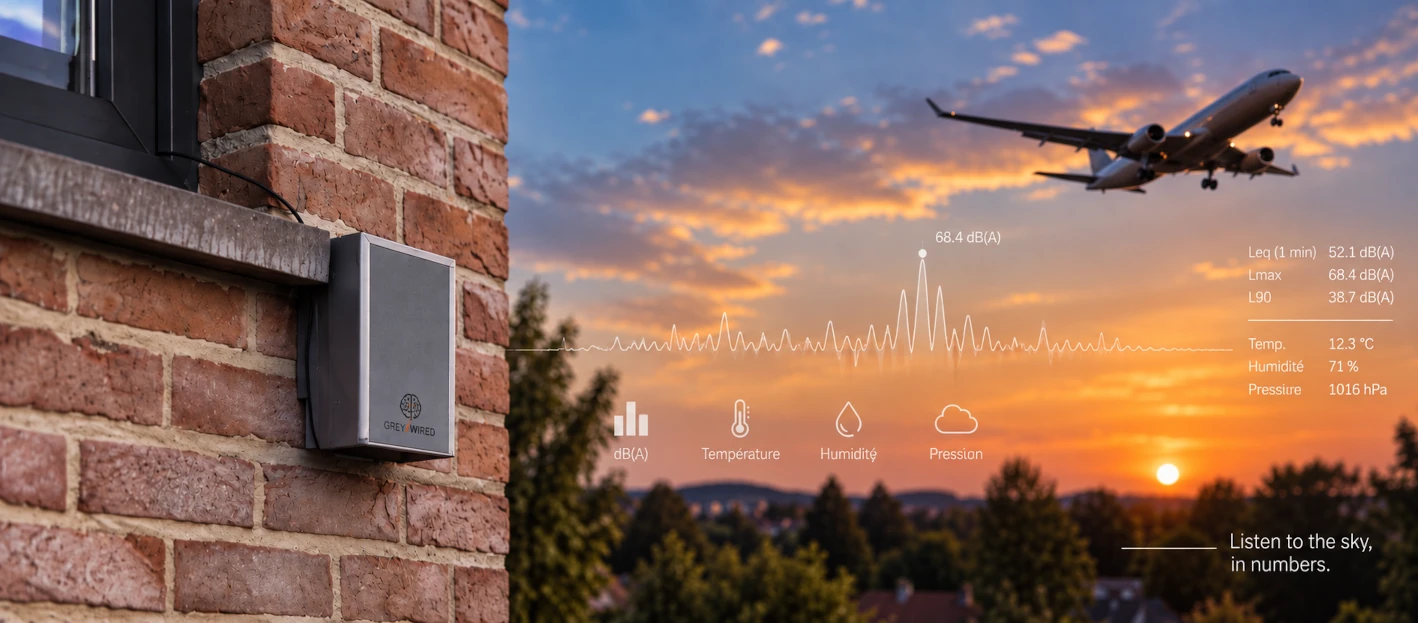
At first, I simply wanted to know how much noise the planes were making. Then came an ESP32, a €15 Chinese module, an API, MQTT, a BME280, some 3D printing and a few unexpected twists. In short, a project perfectly under control.

Some aircraft trails disappear almost immediately. Others persist, spread and sometimes end up veiling part of the sky. What are they really, why do they behave so differently, and are they as harmless as we tend to assume? Using data from my ADS-B station and the available scientific evidence, I have tried to distinguish what we observe, what we imagine and what we can actually establish.
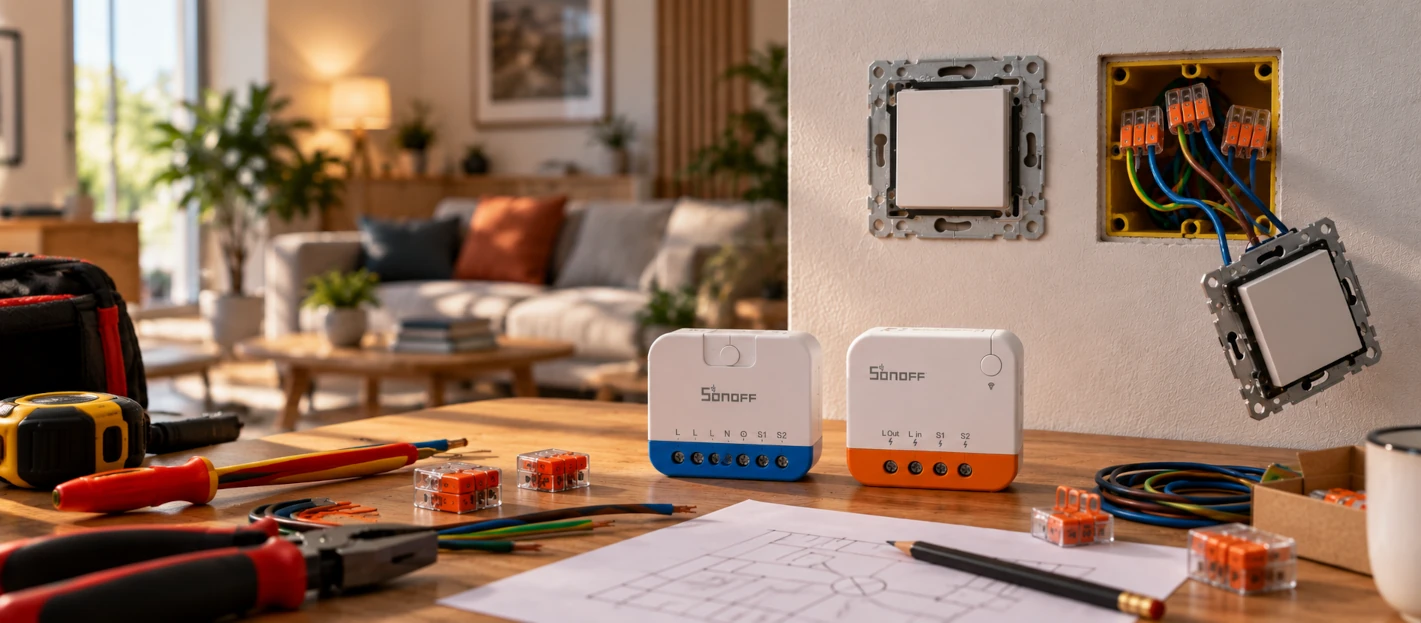
Adding a SONOFF module behind a light switch sounds simple… until you encounter your first two-way circuit. Between permanent live, switched live, travellers, neutral, S1, S2 and models that don't all behave the same way, it's worth understanding the circuit before you start moving wires around. This article goes through the main configurations step by step, with the diagrams and pitfalls I wish I'd had when I started.
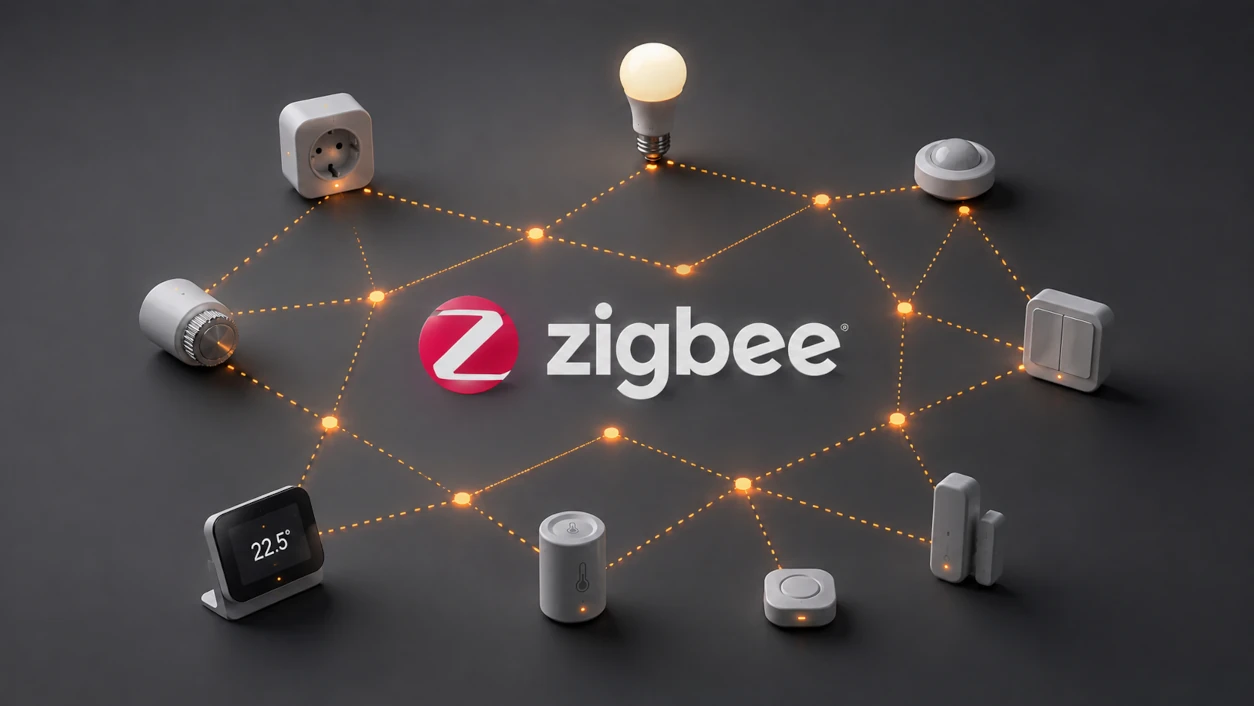
When I started deploying my first Zigbee devices, I didn't really know much about how the network connecting them actually worked. And it worked. Over time, however, I discovered a whole series of small details I hadn't paid much attention to at first: the role of routers, the importance of coordinator placement, interference with Wi-Fi, channel selection, and the fact that not all Zigbee devices participate in the network in the same way. Nothing catastrophic. I didn't have to tear open any walls or throw everything away and start again. But knowing these things from the beginning can help you make a few smarter choices along the way. That's essentially the purpose of this article: to bring together the things I would have found useful to know before getting started, without giving the impression that you need to master Zigbee before connecting your first device. And if you've already started without knowing any of this? Don't panic. There's a good chance you'll be able to improve things later.
I wanted to retrieve data from my electricity meter and a smart plug. A few clicks later, Home Assistant had discovered part of my house and I was starting to wonder what else I could integrate into it. Energy, solar panels, lighting, cars, Zigbee... what started as a simple test is slowly beginning to raise a lot of new questions.
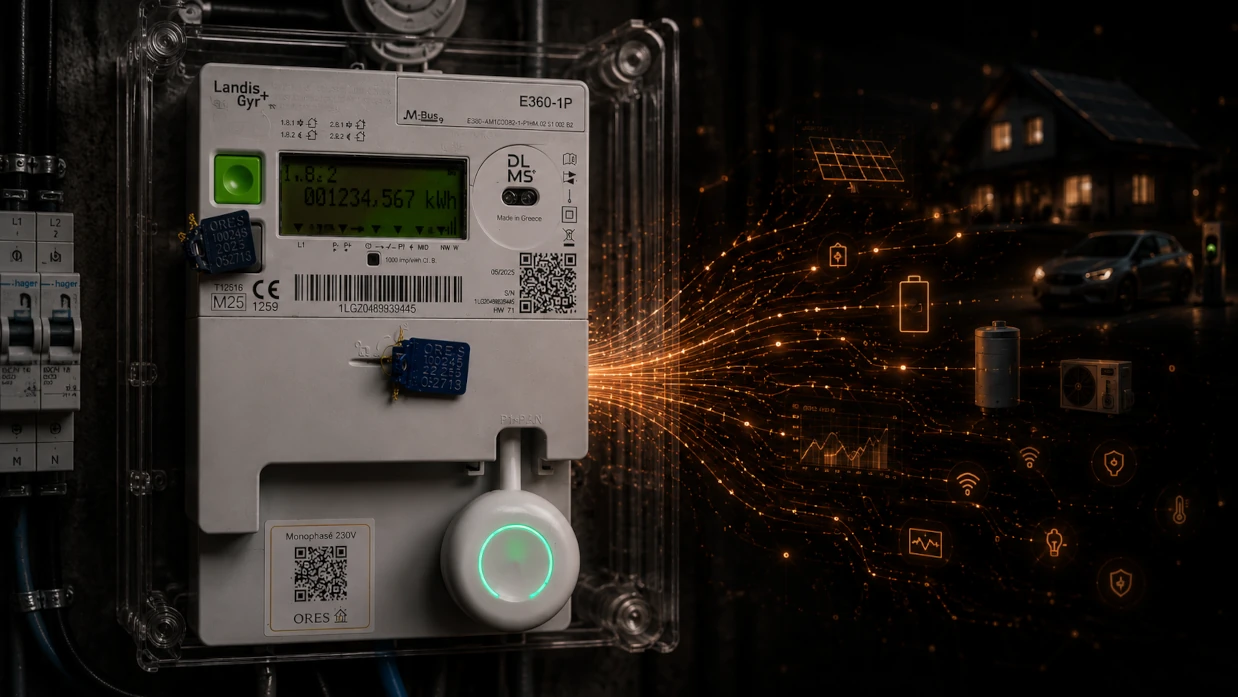
What should have been a routine meter replacement turned into a first exploration of the P1 port, local access to energy data and the possibilities offered by a few connected devices. With, naturally, a couple of misadventures along the way — and a certain Home Assistant eventually making an appearance.